
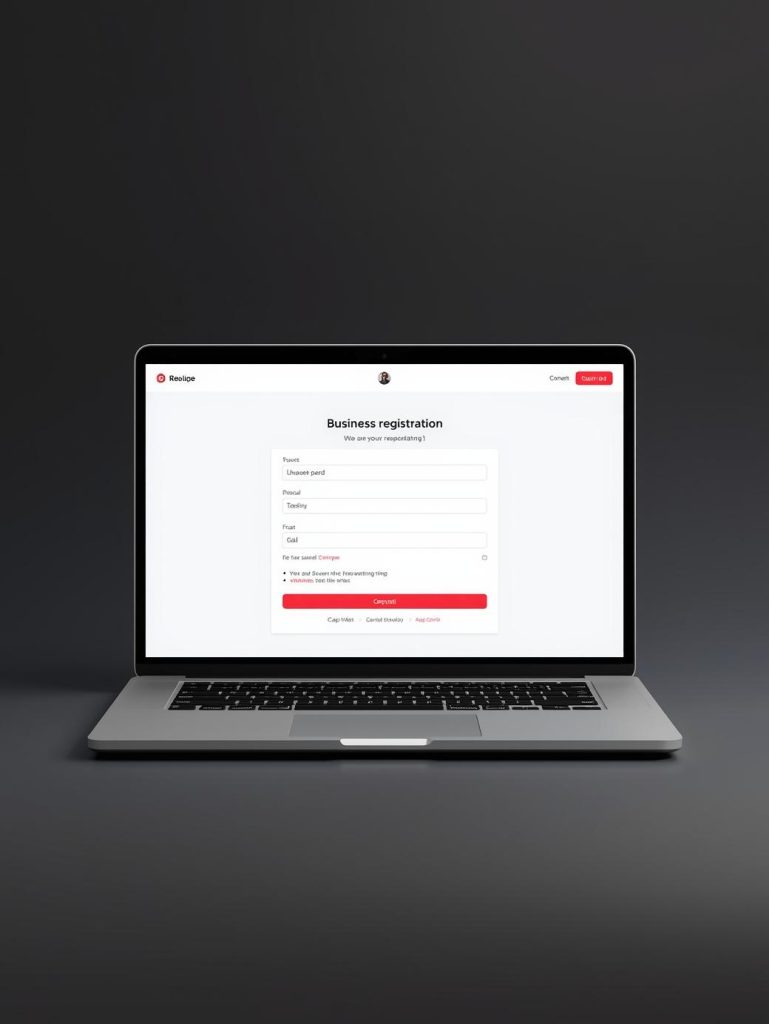
 It is a business owned and run by one person. The owner is personally liable for all debts and obligations of the business. Sole proprietorships are the simplest and easiest type of business to set up and operate. However, they also offer the least protection for the owner’s personal assets.
Advantages
- Simple and easy to set up and operate.
- No need to file annual accounts or pay corporation tax
- The owner keeps all the profits.
Disadvantages
- The owner has unlimited liability. This means that the owner’s personal assets can be used to pay for the debts and obligations of the business, even if the business is insolvent.
- The owner may find it difficult to raise finance.
- The owner may have difficulty attracting and retaining employees.
 It is a business owned and run by two or more people. The partners are jointly liable for all debts and obligations of the business. Partnerships are more complex to set up and operate than sole proprietorships, but they offer more protection for the partners’ personal assets.
Advantages
- Partners can share skills and resources.
- Partners can pool their financial resources .
- Partnerships can be more tax-efficient than sole proprietorships.
Disadvantages
- The partners have joint liability. This means that each partner is liable for the debts and obligations of the business, even if they were not involved in the decision that led to the debt.
- Partners may find it difficult to agree on business decisions.
- Partners may have difficulty attracting and retaining employees.
 It is a type of partnership where the partners’ liability is limited to their investment in the business. LLPs are more complex to set up and operate than partnerships, but they offer the same level of protection for the partners’ personal assets as limited companies.
Advantages
- Partners have limited liability.
- LLPs can be more tax-efficient than sole proprietorships and partnerships.
- LLPs can be more flexible than limited companies.
Disadvantages
- LLPs are more complex to set up and operate than sole proprietorships and partnerships.
- LLPs may be subject to more regulation than sole proprietorships and partnerships.
 It is a company that is owned by shareholders. The shareholders are not personally liable for the debts and obligations of the company. Private limited companies are more complex to set up and operate than sole proprietorships and partnerships, but they offer the greatest protection for the shareholders’ personal assets.
Advantages
- Shareholders have limited liability.
- Private limited companies can raise finance more easily than sole proprietorships, partnerships, and LLPs .
- Private limited companies can be more tax-efficient than sole proprietorships, partnerships, and LLPs.
Disadvantages
- Private limited companies are more complex to set up and operate than sole proprietorships, partnerships, and LLPs.
- Private limited companies are subject to more regulation than sole proprietorships, partnerships, and LLPs.
 It is a type of private limited company that is owned by one person. The owner of an OPC is not personally liable for the debts and obligations of the company. OPCs are more complex to set up and operate than sole proprietorships, but they offer the same level of protection for the owner’s personal assets as other private limited companies.
Advantages
- The owner has limited liability.
- OPCs can raise finance more easily than sole proprietorships and partnerships .
- OPCs can be more tax-efficient than sole proprietorships and partnerships.
Disadvantages
- OPCs are more complex to set up and operate than sole proprietorships and partnerships.
- PCs are subject to more regulation than sole proprietorships and partnerships..
 It is a company that is owned by shareholders and whose shares are traded on a stock exchange. PLCs are the most complex type of business entity to set up and operate, but they offer the greatest level of protection for the shareholders’ personal assets
Advantages
- Shareholders have limited liability.
- PLCs can raise large amounts of finance.
- PLCs can be more tax-efficient than other types of business entities.
Disadvantages
- PLCs are the most complex type of business entity to set up and operate.
- PLCs are subject to more regulation than other types of business entities.
- The best type of business entity for you will depend on the size and complexity of your business, the amount of risk you are willing to take, and your personal financial situation. It is important to consult with an accountant or business lawyer to get professional advice on the best business structure for your needs.
A website is a collection of web pages that are hosted on a server and can be accessed by anyone with an internet connection. Websites can be used for a variety of purposes, such as:
- Providing information about a business or organization.
- Selling products or services.
- Communicating with customers or clients.
- Gathering feedback from customers or clients.
- Promoting a brand or product.
 A web application is a software application that is hosted on a server and can be accessed by users through a web browser. Web applications are typically interactive, meaning that users can interact with them by entering data, clicking on buttons, and so on.
Some examples of web applications include:
- E-commerce websites that allow users to buy and sell products online.
- Social media platforms that allow users to connect with friends and family, share photos and videos, and so on.
- Online banking platforms that allow users to manage their finances online.
- Customer relationship management (CRM) systems that help businesses manage their customer interactions.

A website or web application can be an essential tool for the success of a business. It can help a business to:
- Increase brand awareness by making the business more visible to potential customers.
- Generate leads by providing information about the business’s products or services and allowing users to contact the business.
- Drive sales by making it easy for users to buy products or services online.
- Provide customer support by providing a way for users to get answers to their questions.
- Improve customer satisfaction by providing a positive and user-friendly experience.
- In today’s digital age, a website or web application is an essential part of any business. If you don’t have one, you are missing out on a great opportunity to reach new customers and grow your business.
- Here are some additional benefits of having a website or web application for your business:
- It can help you to attract new customers.
- It can help you to build relationships with existing customers.
- It can help you to improve your customer service.
- It can help you to increase your sales.
- It can help you to boost your brand awareness.
- It can help you to stay ahead of the competition.
 A mobile application (app) is a software application designed to run on a mobile device, such as a smartphone or tablet. Apps can be used for a variety of purposes, such as games, productivity tools, social media, and more.
Types of mobile applications
- Games: Mobile games are one of the most popular types of apps. They can be simple or complex, and they can be played for free or for a fee.
- Productivity tools: Productivity tools help users to get things done more efficiently. They can include things like to-do lists, calendars, and note-taking apps.
- Social media: Social media apps allow users to connect with friends and family, share photos and videos, and stay up-to-date on the latest news.
- E-commerce: E-commerce apps allow users to buy and sell products online. They can be used by businesses of all sizes to reach a wider audience.
- Utility: Utility apps provide essential services, such as weather forecasts, maps, and navigation.
How important are mobile applications for the success of a business?
- Reach a wider audience: Mobile apps can be used to reach a wider audience than traditional websites or marketing campaigns..
- Improve customer engagement: Mobile apps can help businesses to improve customer engagement by providing a more interactive and personalized experience..
- Increase sales: Mobile apps can help businesses to increase sales by making it easy for customers to buy products or services on the go.
- Provide customer support: Mobile apps can help businesses to provide customer support by providing a way for customers to get help with their questions or problems.
- Build brand awareness: Mobile apps can help businesses to build brand awareness by putting their brand in front of potential customers on a regular basis.
- In today’s digital age, mobile applications are an essential part of any business. If you don’t have a mobile app, you are missing out on a great opportunity to reach new customers and grow your business.
- Some additional benefits of having a mobile app for your business:
- It can help you to stay ahead of the competition.
- It can help you to collect valuable data about your customers.
- It can help you to improve your marketing campaigns
- It can help you to increase your brand loyalty.
- If you are thinking of starting a business, or if you are looking to improve your existing business, a website or web application or a mobile application is a great place to start. With so many benefits to offer, it is an investment that is sure to pay off.